

Top 5 Financial Scams Seniors Should Know About
At the core of our mission is a dedication to providing comprehensive, compassionate, and cutting-edge dental care.
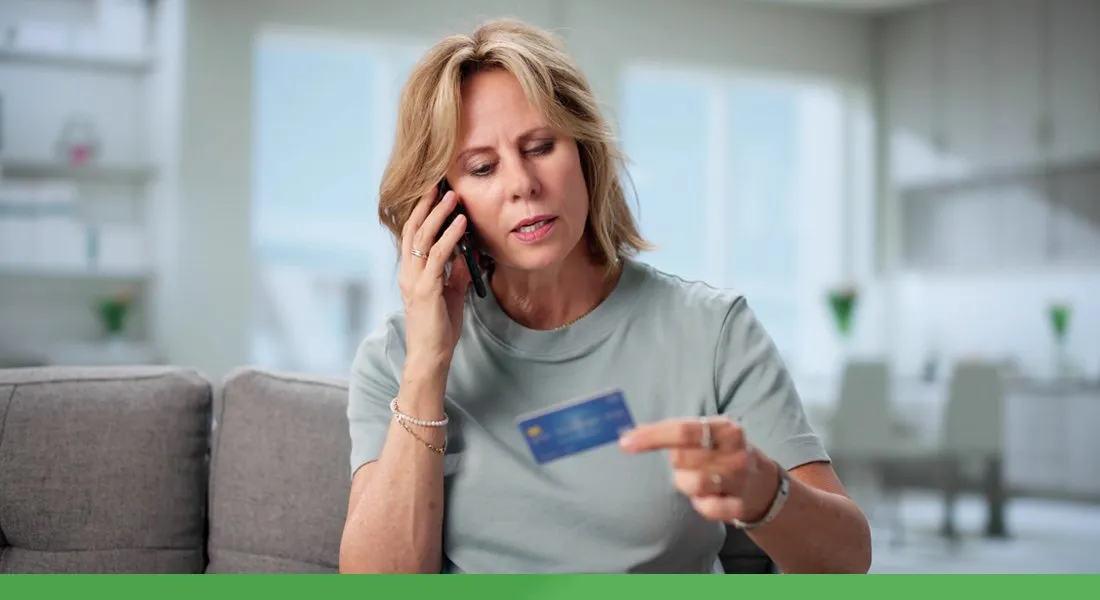
Financial scams are everywhere and no one is completely safe. And unfortunately, seniors are a big target for financial scams. In 2023 alone, adults 60 and older lost an astonishing $3.4 billion to fraud. Behind that number are more than 100,000 real people whose savings and financial security were stolen from them.
Scammers often target older adults because they’re perceived as having more financial resources and may be more trusting or polite when approached. They also exploit seniors’ strong desire to help loved ones, especially in “grandparent” emergencies — which is a tactic some scammers use when reaching out to older adults.
NCOA (National Council on Aging) is here to help. When it comes to preventing online scams, there are things you need to know. Below, we break down the most common scams targeting older adults and what to do if you or someone you know encounters one.
Top 5 Scams
1. The Grandparent scam
The grandparent scam works on seniors because it preys on emotion and trust. A caller starts by prompting the victim to reveal a grandchild’s name saying something like, “Hi Grandma, do you know who this is?” and then uses that name to impersonate the child. The scammer claims to need urgent help with something like car repairs, rent, a medical emergency, or bail, often begging the grandparent not to tell anyone.
In other versions, the caller pretends to be a police officer, doctor, or lawyer assisting the grandchild, using fear and urgency to pressure victims into sending money fast. Advances in AI have made these schemes even harder to detect, as scammers can now clone the real voices of family members. They typically demand payment through gift cards or wire transfers, methods that can’t be traced or reversed.
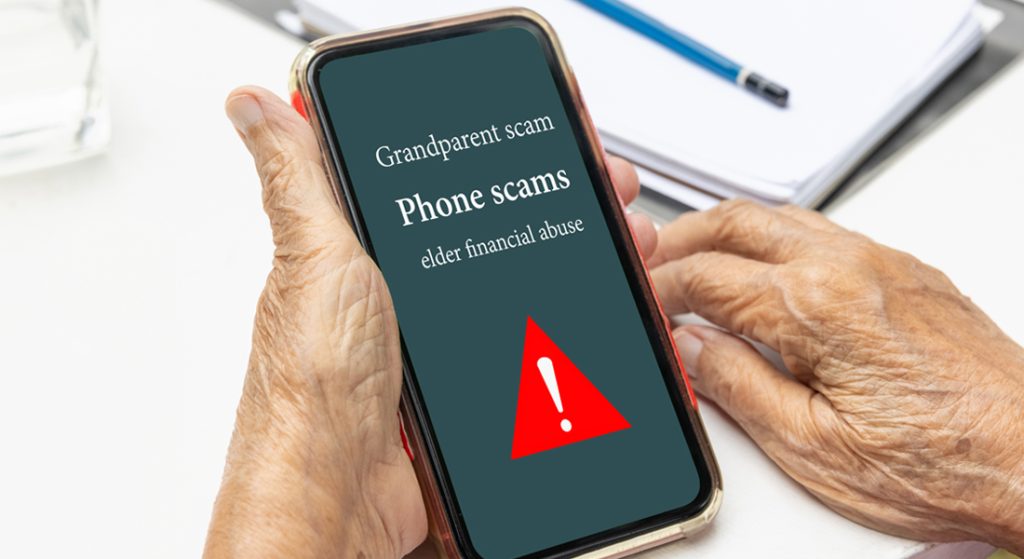
2. Financial Services scam
These types of scams work because they appear to come from trusted, real sources like banks, mortgage lenders, or debt collectors. Scammers call, text, or email using messages that look and sound completely legitimate. One tactic they use is that they might claim your bank account has been compromised and ask for personal details to “protect” it, offer “better” rates.
None of these claims are true, but scammers are skilled at making them seem believable. They can spoof Caller ID, create realistic-looking email addresses and links, and use intimidating language to pressure victims into sharing sensitive information or sending money.
3. Tech Support scams
These scams exploit the uncertainty many people feel about technology. And this type of scam is the #1 type of scam reported by older adults.
They often begin when a computer or phone suddenly freezes or goes blank, followed by a pop-up warning with a number to call for help. When the user dials it, the scammer posing as tech support asks for remote access to the device and may demand payment to fix the supposed problem.
4. Government Impersonation scams
In this type of scams, fraudsters pose as officials from agencies like the IRS, Social Security, or Medicare. They may threaten arrest, deportation, or legal action over supposed unpaid taxes, or claim that benefits will be cut off unless the victim provides personal information, which can then be used for identity theft.
These scammers typically demand payment through prepaid debit cards, cash, or wire transfers. They can make their calls appear to come from a real government number or a familiar ZIP code (such as 202 for Washington, D.C.), making their threats seem more legitimate, making it easier for older adults to fall for them.
5. Romance scams
As online dating grows, so does the opportunity for romance scammers. People who perform these scams create fake social media profiles to build trust and ultimately steal money. They often claim to be overseas and ask victims to cover costs like visas, medical emergencies, or travel to the U.S. Because these scams (also called sweetheart scams) can stretch on for months, the financial losses can be astronomical.
In 2023, the FTC reported more than 64,000 romance scam cases, with losses reaching $1.1 billion.
What to do when you think you or an older adult is scammed
Always double check who is contacting you. If someone is posing as a grandchild, it’s okay to hang up and contact said grandchild to see if they were the one to call. In other instances, you can call the Eldercare Locator, a government-sponsored national resource line at 1-800-677-1116 to find the information for the Adult Protective Services. You can also report scams online to the FTC (Federal Trade Commission). Sharing your experience can help prevent it from happening to someone else.
Sources:
Facts provided by:
1. Federal Bureau of Investigation. Internet Crime Report 2023. Found on the internet at https://www.ic3.gov/AnnualReport/Reports/2023_IC3Report.pdf
2. U.S. Senate Special Committee on Aging. Fighting Fraud: Scams to Watch Out For. September 2024. Found on the internet at https://www.aging.senate.gov/imo/media/doc/2024_fraud_book_english.pdf
3. Federal Trade Commission. Age and Fraud. Found on the internet at https://public.tableau.com/app/profile/federal.trade.commission/viz/AgeandFraud/Infographic
4. https://www.ncoa.org/article/top-5-financial-scams-targeting-older-adults/
Photo source: https://stock.adobe.com/search?asset_id=1624245717